Executive Summary
The TorZon Gang platform represents a contemporary digital exchange network operating exclusively within the Tor hidden service ecosystem. Designed to facilitate anonymous transactions of digital goods and privacy-centric items, the platform acts as an intermediary node rather than a direct supplier.
Established by an anonymous collective, its primary focus revolves around implementing robust cryptographic standards to protect user data from external auditing. Observers note that the platform's deployment underscores a significant shift toward automated dispute resolution and decentralized trust mechanisms within modern onion routing enclaves.
Historical Timeline
Technical Architecture
Cryptographic Framework
Data at rest and in transit is secured via strict PGP enforcement. Account generation requires users to decrypt a challenge string derived from their public key. This structural requirement mitigates automated credential stuffing and establishes baseline OpSec competency.
Financial Routing
To preserve anonymity, the exchange heavily favors Monero (XMR) due to its ring signatures and stealth addresses. A sophisticated walletless mode processes funds directly between multisig addresses rather than holding them in platform-controlled centralized accounts, significantly reducing the incentive for internal or external data breaches.
Platform Interface Documentation
Visual analysis of the structural components and security workflows deployed across the observed network nodes.
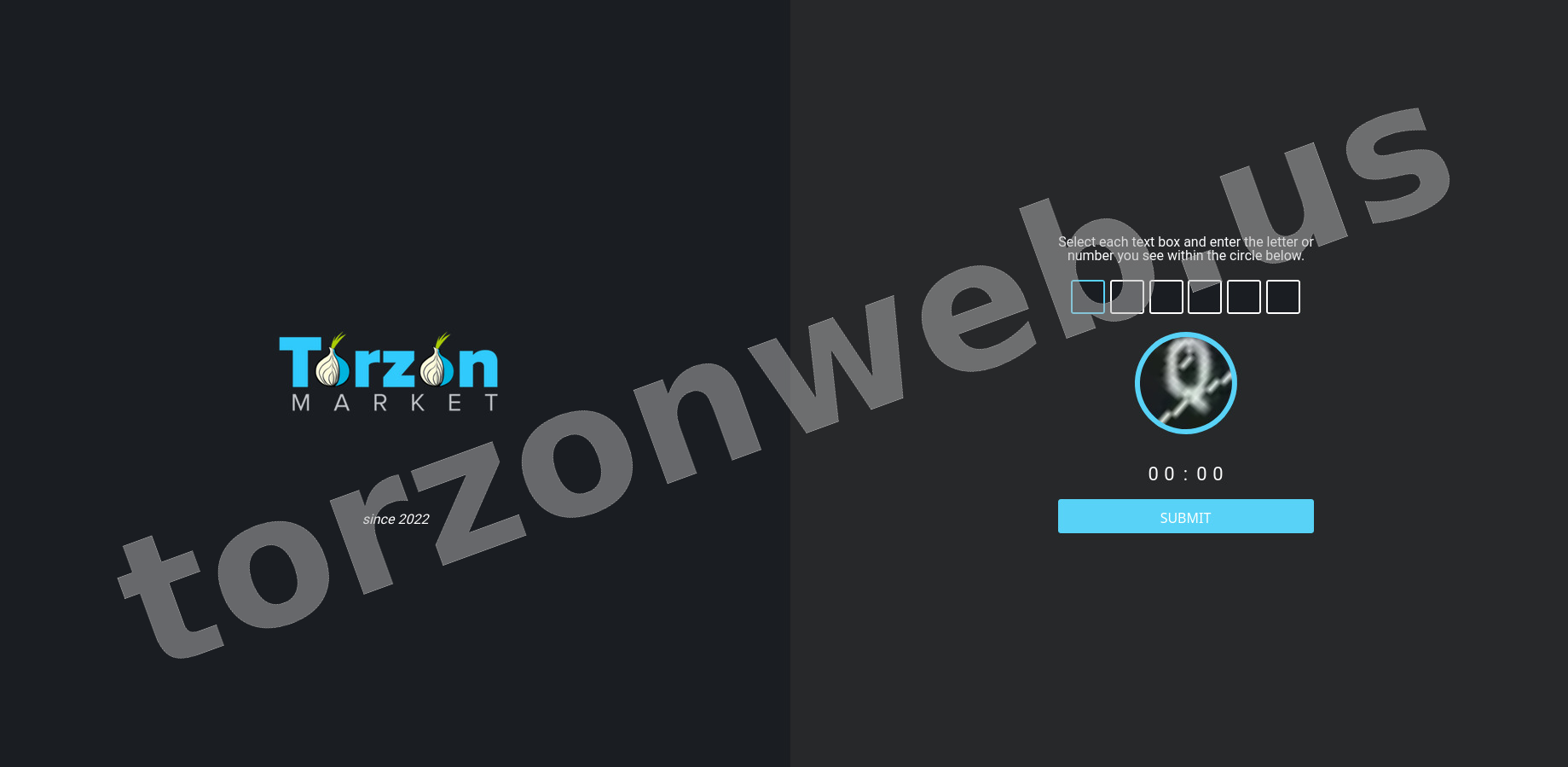
DDoS Protection Screen
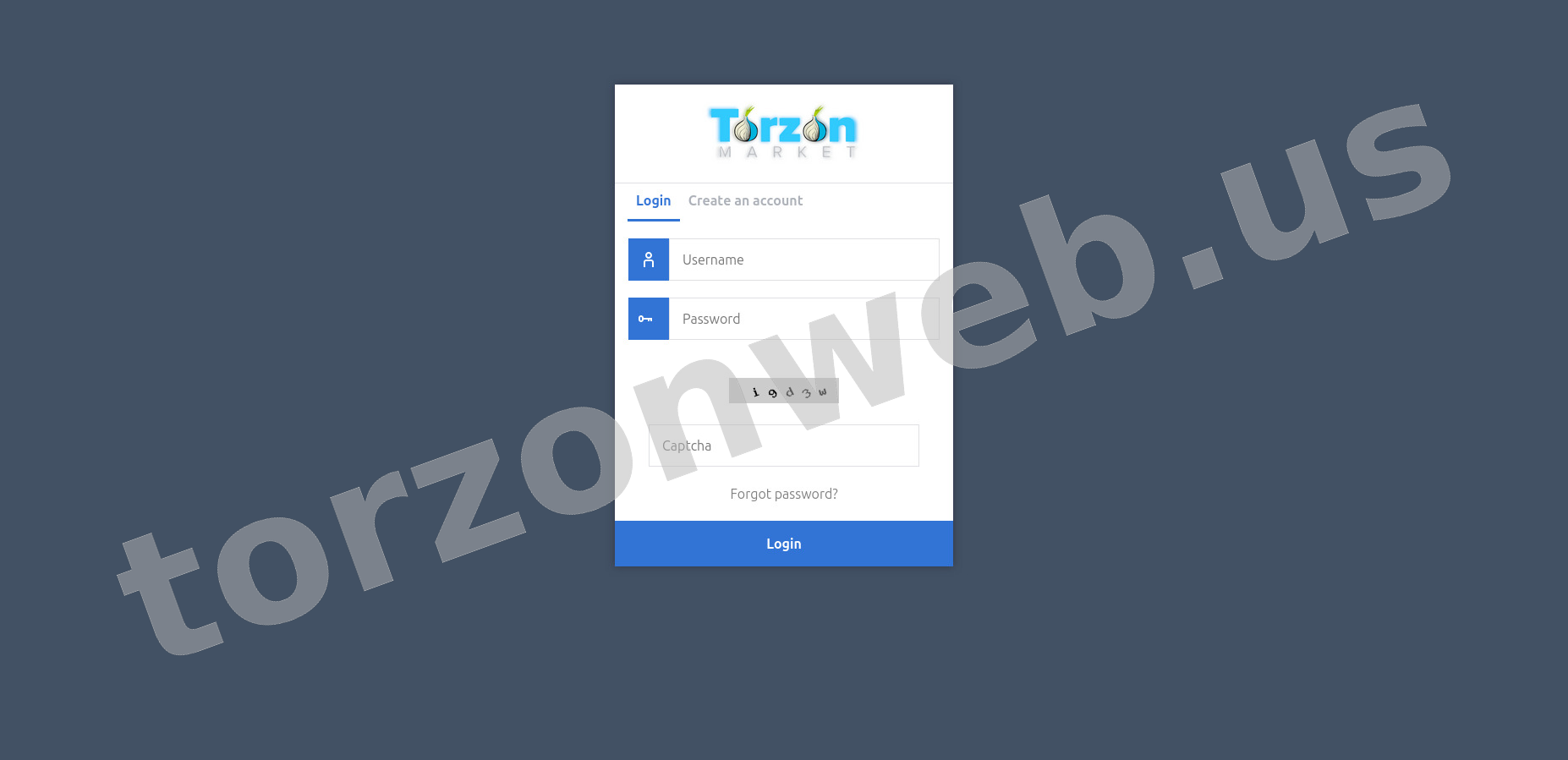
User Login Interface
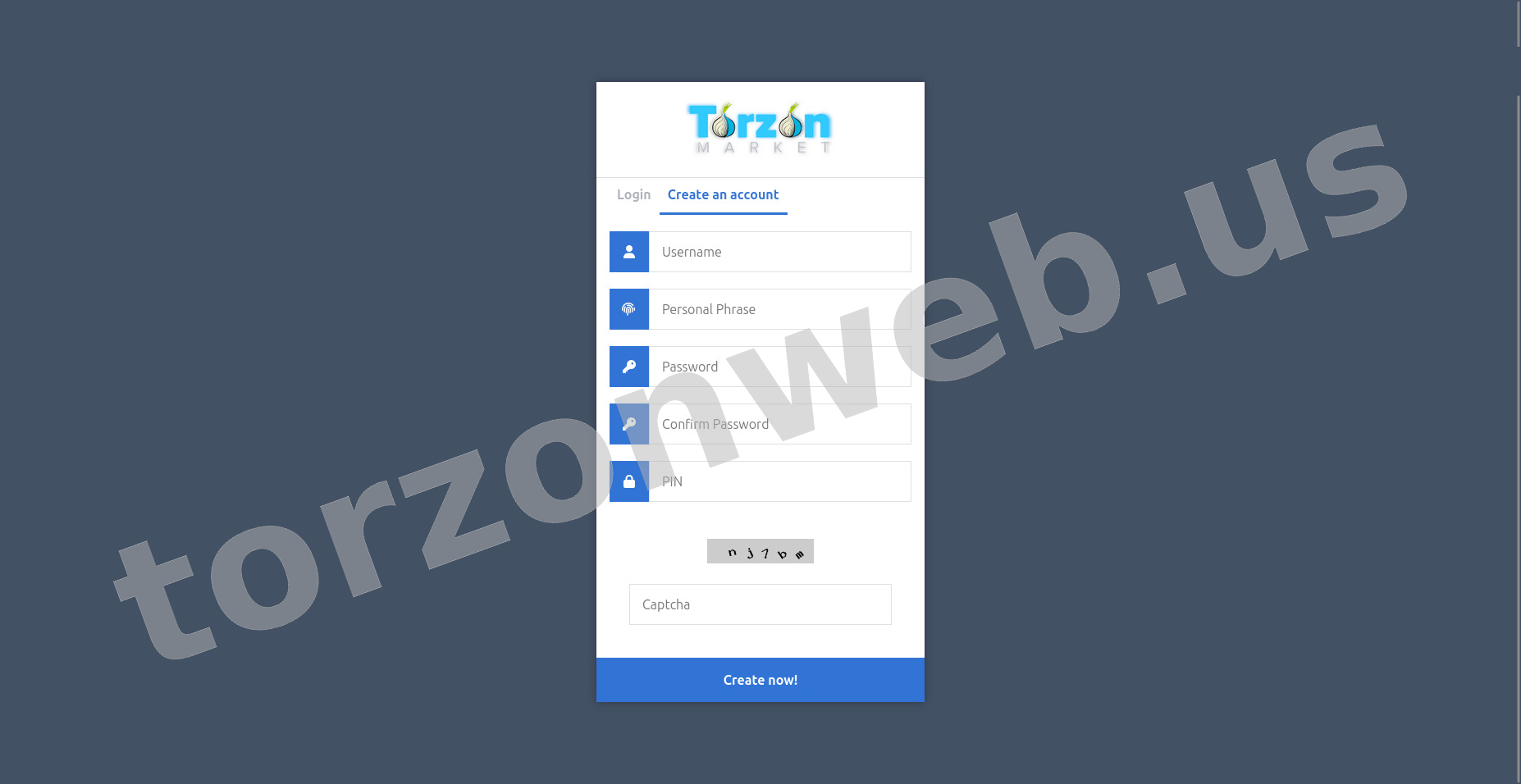
Account Registration Page
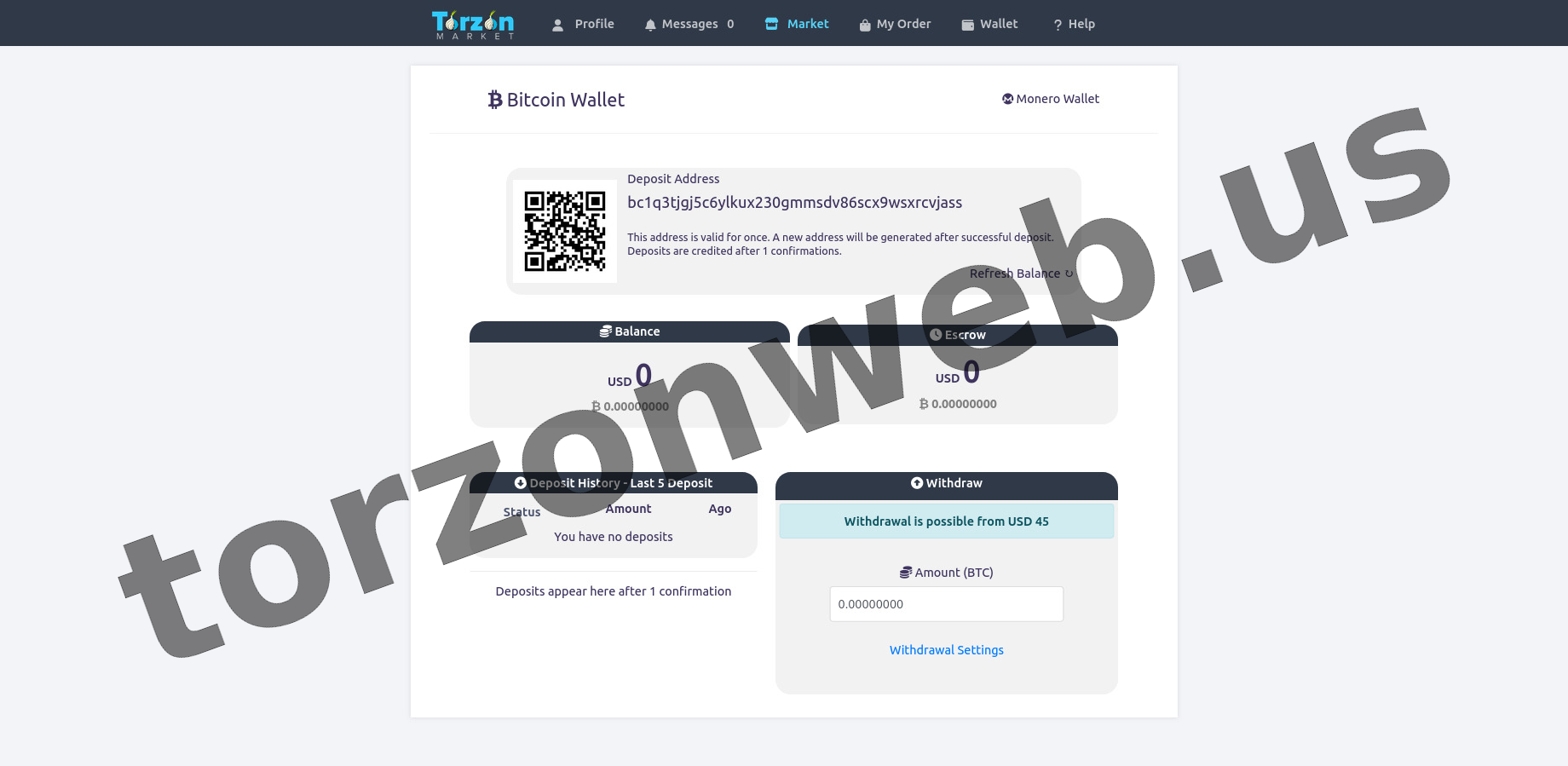
Main Market Dashboard
Community & Infrastructure Statistics
The ecosystem maintains a rigorous onboarding process for content providers, requiring substantial cryptographic bonds to deter malicious behavior. This structural requirement has cultivated a community heavily focused on operational security and disciplined transactional hygiene.